Published: 16/03/26 By: Mike Bekin
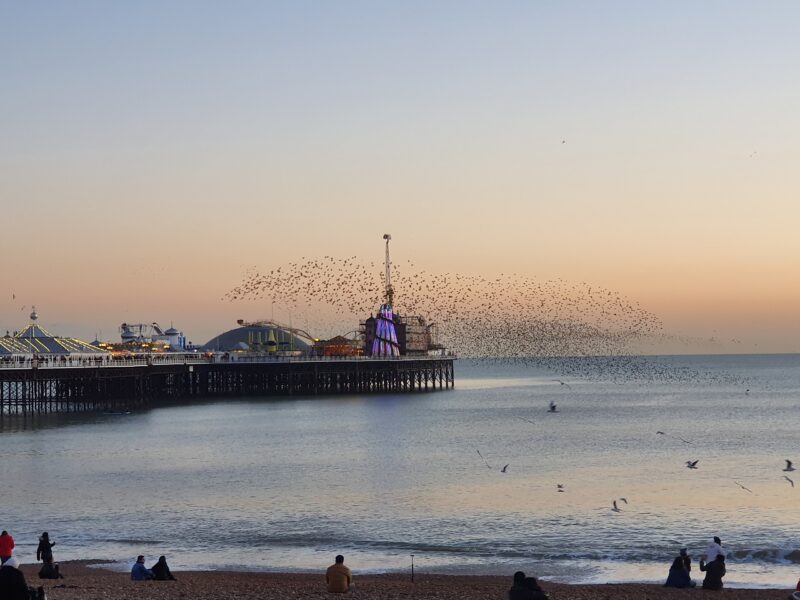
There is nothing which says “Britain” quite like a wooden pier stretching out over the waves, weathered by sea spray and sea-air. These walkways have served holidaymakers and fishermen alike for centuries. From the salt-soaked piles driven into tidal sands to the weather-worn decking boards underfoot, they embody a unique blend of craftsmanship, resilience and heritage.
In an era increasingly focused on sustainability and low-impact materials, the lessons from historic UK piers and bridges offer powerful guidance for modern timber infrastructure: durability does not have to rely on heavy chemicals, just on the right species, smart detailing and long-term care.
Why historic piers and bridges still matter
Across the UK, many of the earliest seaside piers and inland bridges were built from timber because it was a renewable, workable material which offered a balance of strength, resilience and natural beauty. The fact that a number of these structures remain extant, sometimes centuries after their creation, demonstrates timber’s capacity for long-term performance, and offers invaluable lessons for how we build today.
While many such structures nowadays benefit from modern maintenance, their original success depended not on heavy chemical treatments, but on choosing naturally durable wood species, thoughtful design for water and weather exposure, and ongoing upkeep. Looking back at these examples can help shape timber specification which is both sustainable and long-lasting without relying on potentially harmful preservatives.
What made historic timber structures survive
Historic timber piers and bridges which have stood the test of time share several fundamental characteristics:
- Use of naturally durable species: Timber selected for marine or freshwater exposure often came from hardwoods with inherent resistance to rot, fungal decay and water-related degradation such as Ekki, Opepe, Angelim Vermelho or Greenheart.
- Design for drainage, ventilation and water flow: Piers and bridges were often designed with spacing, clearance and structural detailing which allowed water to move, wood to dry and stresses to be dissipated rather than trapped.
- Ability for repair, maintenance and replacement: Because timber is workable on-site, individual elements (decking planks, piles, beams) could be replaced or repaired as needed, extending the structure’s life far beyond that of a single assembly.
- Sustainability and renewability: Timber is a renewable material and, if responsibly sourced, carries a lower embodied carbon footprint than steel or concrete.
Historic UK examples worth studying
Here are a few representative examples of UK timber infrastructure which highlight these lessons:
Yarmouth Pier (Isle of Wight)
Opened in the 1870s, Yarmouth Pier on the Isle of Wight remains the longest surviving wooden pier in England still open to the public. Its timber piles and decking continue to function thanks to the original choice of materials and ongoing maintenance.
Various Victorian-era piers and bridges
Many piers built in the 19th century combined timber with iron elements; others initially used timber for the full structure. As chronicled in the history of UK piers, early timber promenades and jetties offered a cost-effective, workable method of connecting shorelines with deeper water before steamers, and their survival provides proof of timber’s viability in marine settings.
Historic timber bridges
Long before steel or concrete became dominant, timber bridges carried roads and footpaths over rivers and valleys across the British Isles. Even though many have since been replaced, the historic record shows how wood offered sufficient strength, flexibility and ease of repair when properly designed.
What modern builders can learn: best practices for longevity without chemicals
For anyone specifying timber for piers, bridges, walkways or similar infrastructure, here are the lessons borne from historic successes:
Prioritise species with natural durability
Use wood species known for resistance to rot, fungal attack and water exposure. Tropical hardwoods (where responsibly sourced) often lead the field for marine use, while selected temperate hardwoods or durable softwoods can perform well in freshwater or sheltered settings. As demonstrated in historic constructions, natural durability removes the need for heavy chemical treatments. Speak to us about species such as Ekki or Angelim Vermelho which we have successfully supplied to Pier projects such as the award winning Hastings Pier for example.
Design for environment: drainage, ventilation, renewability
Poor detailing (trapped water, lack of ventilation, continuous damp contact) accelerates decay. Timber structures should be designed to shed water, allow airflow, avoid pooling and accommodate timber movement. Historic piers and bridges which have lasted invariably include such features.
Embrace maintainability and modular repair
One of timber’s main advantages is that individual components can be replaced without rebuilding the entire structure. Designing for modular repair (deck boards, piles, beams) means a long-term structure with lower lifecycle costs and material waste.
Source sustainably and consider embodied carbon
Choose certified timber (from sustainably managed forests) to ensure long-term ecological and ethical sustainability. As timber is renewable and stores carbon, timber infrastructure can offer a significantly lower carbon footprint than steel or concrete equivalents.
Use detailing instead of chemicals where possible
Rather than relying on preservative treatments which can leach into water or harm marine ecosystems, aim for natural durability and thoughtful design. The longevity of many old timber piers and bridges is evidence that this approach can succeed.
Why this matters now
In a time when environmental impact, embodied carbon, biodiversity and sustainability are central to construction decisions, the lessons taken from historic timber piers and bridges are more relevant than ever. Timber offers not just a beautiful, natural finish but also a renewable, reparable, low-impact material.
For marine, coastal or freshwater infrastructure (jetties, piers, footbridges, boardwalks) designing with timber using species with natural durability, sustainable sourcing and robust detailing can yield structures with decades of service life, minimal ecological impact and a maintenance-friendly lifecycle.
At EcoChoice, we believe these principles remain fundamental to modern sustainable timber construction. If you are planning a new project, or maintaining existing timber infrastructure, we are here to help you source the right species of timber, design with longevity in mind, and deliver responsible, high-performance timber solutions.