At EcoChoice, we pride ourselves on helping you choose the right timber for your project. From species to price, we will look at the needs of your unique construction to deliver cladding you can be proud of. One area where we are happy to help is timber profiles, ensuring your cladding is the right profile for the job.
What Are Timber Profiles?
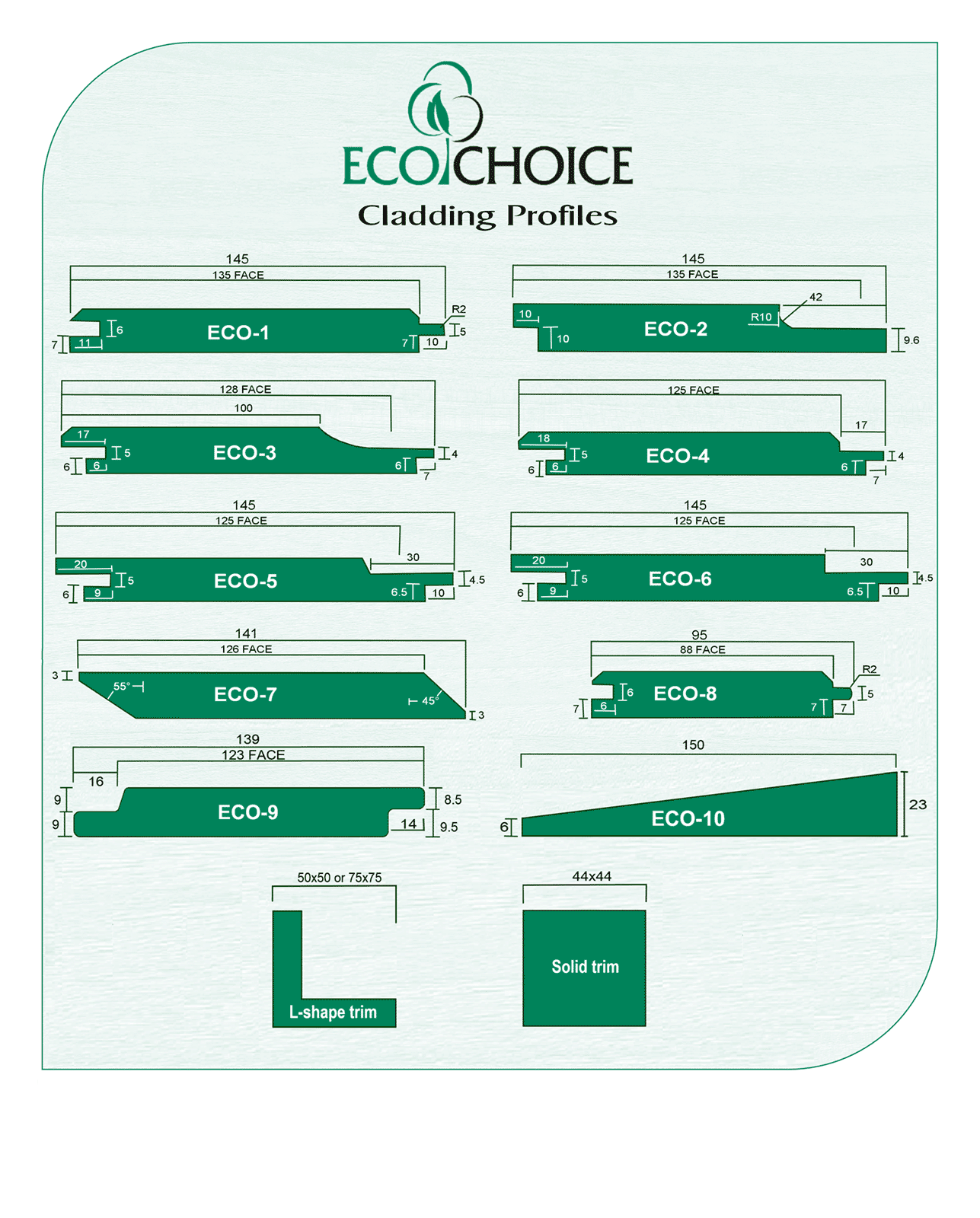
Timber profiles refer to the machining of your cladding boards. Each different profile will be built to join together in a different way, bringing new benefits and specifications to the project. Some, for example, will be more water-tight, whilst others offer a more textured finish.
Which Timber Profiles Are Available?
We can source every type of timber profile on the market for your construction project. The most common profiles are:
- Shiplap
- Tongue and groove
- Shadow gap
- Feather edge
- Board on board
- Rhombus (Rainscreen)
All these profiles create a timber cladding facade made of textures and lines, each with a slightly different finish depending on which you choose.
Shiplap Timber
Shiplap is made up of horizontally stacked, overlapping boards which interlock together, forming a tight, weatherproof seal. The boards feature a distinctive profile with alternating bevelled edges on both sides, allowing them to slide neatly into place.
Shiplap timber is traditionally made from softwoods such as Pine, Cedar or Spruce, and it comes in a variety of widths and finishes. It is a durable option, reducing the chance of water running behind your cladding, and it creates a clean, smooth finish.
Tongue and Groove Timber
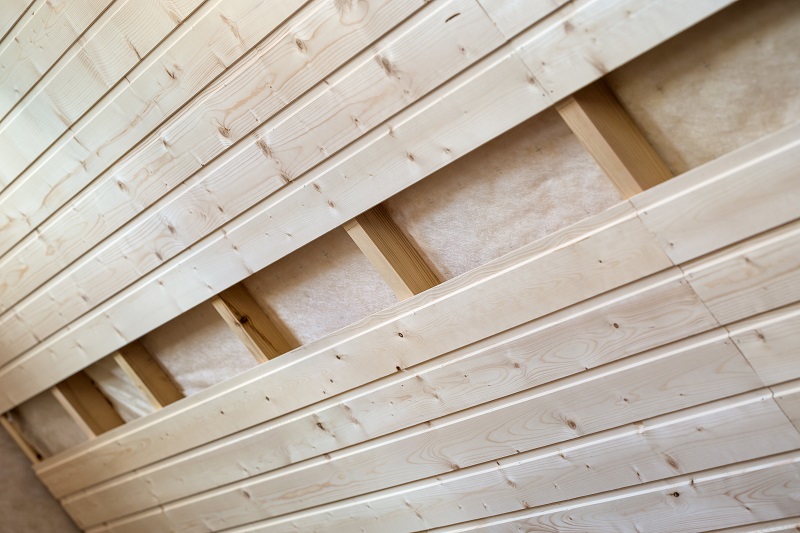
Tongue and groove profiles are ideal for cladding. Each board slots together like a puzzle, with a protrusion on one side fitting into a hollow on the other side. This allows for easy, efficient installation. The final appearance is very similar to that of shiplap, with a smooth, tight finish, though tongue and groove does not have the same slight overlap as shiplap.
Feather Edge Timber
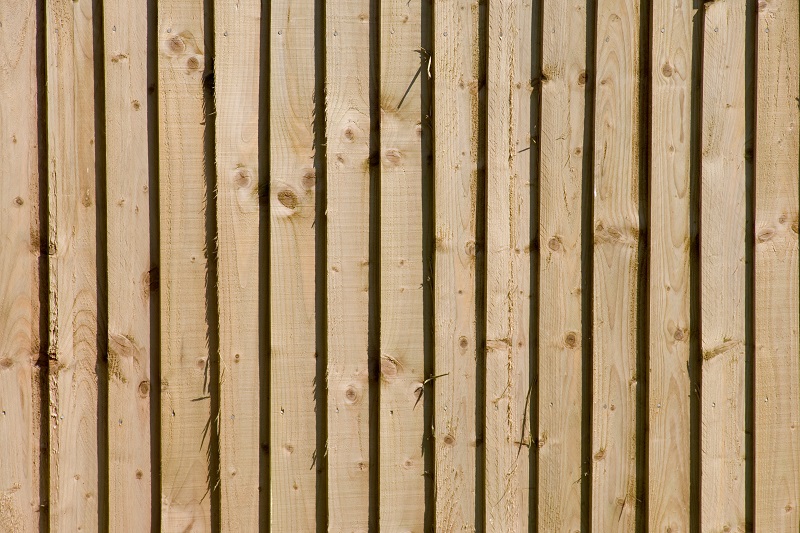
Feather edge timber is most commonly seen on fencing, though it can also be used for exterior cladding. For this profile, one side of the timber is thinner than the other, allowing for a large overlap. When placing two boards together, the thicker bottom edge will overlap the thinner top edge of the one below. This gives a more textured finish than either shiplap or tongue and groove, creating a strong, durable finish that is aesthetically pleasing. Feather edge timber is often produced in species such as Oak, creating a rustic aesthetic that’s perfect for barns and cabins.
Cladding related insights

When choosing a timber for cladding, cost is usually a factor. This includes the upfront cost, of course, as well...
Whether you are installing cladding on your home or constructing a fleet of new build properties, the cost of materials...
If you have been a part of the EcoChoice community for a little while, you will probably know that we...
Timber cladding is an increasingly popular option for properties in the UK. From new build homes to commercial renovations, opting...
Looking for a timber species which is perfect for cladding? You cannot go wrong with Cedar. Renowned for its durability,...
The UK weather may seem challenging for outdoor timber with its mix of rain and occasional heatwaves. Yet, by choosing...