Published: 10/04/26 By: Mike Bekin
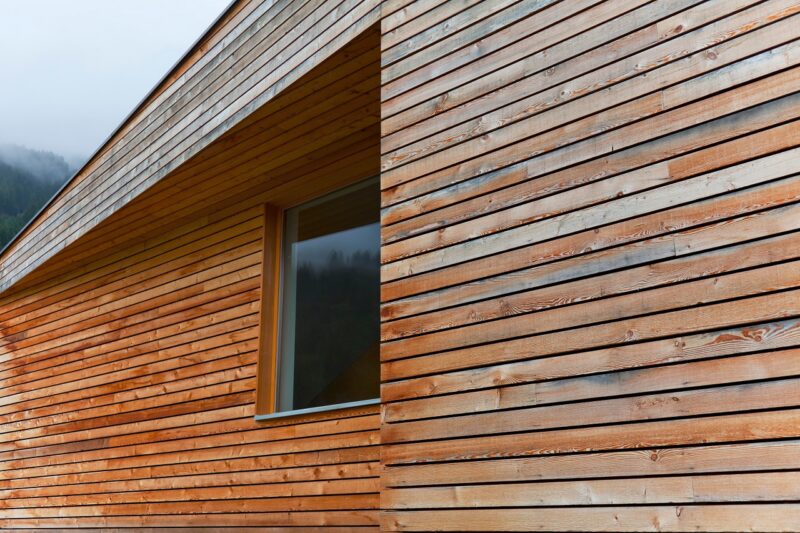
Timber cladding has become a go-to choice for architects, builders and homeowners seeking natural, sustainable external cladding solutions. As a renewable material, wood cladding offers strong environmental credentials alongside excellent aesthetic flexibility, making it suitable for both contemporary and traditional buildings across the UK.
However, installing external timber cladding raises important questions around UK building regulations and planning permission. This guide outlines what you need to know before specifying timber cladding for your project.
Know Your Fire Safety Standards
Fire performance is one of the most important considerations when installing timber cladding in the UK.
Under Approved Document B, combustible materials are restricted on the external walls of certain “relevant buildings” above specified height thresholds. These typically include residential buildings, student accommodation, hospitals and care homes. In these scenarios, timber cladding may not be permitted, regardless of whether the timber has been treated with flame-retardant products.
For lower-rise buildings, wood cladding is often acceptable, provided the cladding system meets the required reaction-to-fire classifications and is correctly designed and installed. Fire compliance depends not only on the timber species, but also on the overall wall build-up, cavity barriers, fixings and detailing.
Final approval always rests with Building Control, so it is important to confirm fire-safety compliance at the design stage.
If you need advice on specifying fire-compliant timber cladding, our team can help guide you through the available options.
Reach out to the EcoChoice team to learn more about how our timber cladding meets fire safety regulations.
Weather Resistance and Moisture Control
When you choose the right species and detailing, timber cladding can provide excellent long-term durability and weather resistance. Commonly specified options include Cedar, ThermoWood, Cumaru, and Ipe.
Equally important is the design of the cladding system itself. To meet UK building regulations and best practice, timber cladding should incorporate:
- A suitably ventilated cavity behind the cladding
- Correctly installed breather membranes
- Timber profiles designed to shed water effectively
Do note that new properties or renovations also require a continuous damp-proof course installed within external walls and at least 150mm above ground level.
Regular maintenance, such as cleaning or finishing where appropriate, will help maintain the appearance and performance of external timber cladding over its service life.
Do I Need Planning Permission for Timber Cladding?
In many cases, planning permission is not required for timber cladding, as it often falls under Permitted Development Rights.
However, planning permission is usually required if your property is:
- A listed building
- Located in a conservation area
- Situated within a national park or Area of Outstanding Natural Beauty (AONB).
You may also need permission if the timber cladding would significantly alter the appearance of the building, particularly on elevations facing a highway, or where local planning policies restrict external materials.
If you are unsure, it is always best to check with your local planning authority before starting work.
Find the Right Timber Cladding Species
Meeting regulatory requirements for fire safety, durability and moisture control starts with selecting the right sustainable timber cladding and designing the system correctly. At EcoChoice, we supply responsibly sourced timber cladding for projects across the UK and help match species selection to performance, aesthetic and regulatory requirements.
If you are planning a timber cladding project and would like expert advice on species choice, compliance or long-term performance, speak to our team today.
Tags: planning permission, timber cladding
Categories: Insights