The differences between hardwood and softwood explained

Wood is broadly classified into one of two categories: hardwood or softwood. Each category has distinct qualities and characteristics and can help determine its identification as well as how the wood is used and where. Here, we go into more detail about what hardwoods and softwoods are, how they differ from each other and how they are used in our daily lives.

What are hardwoods?
Hardwoods are usually denser than softwoods overall, however there are a few exceptions (for example, the balsa tree is classed as hardwood but is softer than many softwoods). The distinction between the two types actually comes from the way the tree reproduces, as opposed to solely its density. Although all types of wood reproduce through seeds, the seed structure varies between hardwoods and softwoods. Hardwoods are scientifically known as angiosperms, which are flowering plants that produce an enclosure for its seeds (this could be a fruit like an apple, or a hard encasing such as an acorn). These are the most popular types of trees across the world.

Hardwoods usually grow slowly and tend to be found in greater numbers in the tropical areas. This adds to the cost of producing and shipping to the UK, however their superior durability and strength are a continuous source of appeal. Native forests can be sustainably harvested by respecting the forest ecosystem and following strict procedures determined by the FSC (Forest Stewardship Council).

Temperate hardwoods include Oak, Beech, Ash, Birch, Maples and Chestnut while famous tropical hardwoods are Mahogany, Teak, Cumaru, Ekki and Ipe.

What are softwoods?
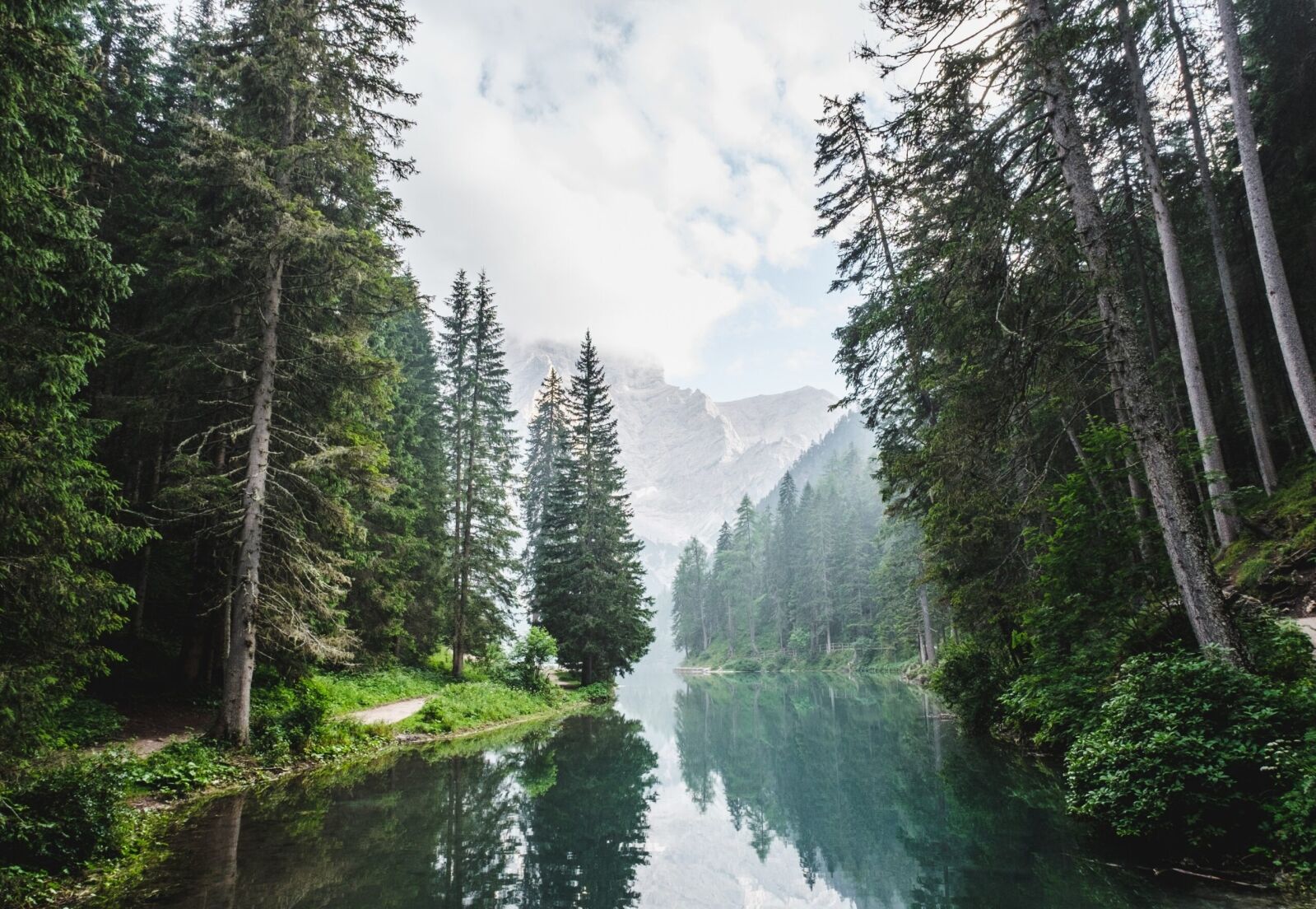
Softwoods are gymnosperms, which means that their seeds are not encased. The common woody looking cone that we regularly see is a female cone and produces seeds, whereas male cones produce pollen and are usually less conspicuous. As the seeds are released into the wind, they can spread across a large distance. As a rule of thumb, if the tree has foliage all year round and is therefore evergreen, it is often a type of softwood.

Softwoods are also known as coniferous trees, which are famous for growing faster than hardwoods. As they are mainly grown in the northern hemisphere, transport costs to the UK are also lower. In most instances, these trees are harvested from plantations with carefully planned re-planting cycles that usually ensure there’s an even larger supply than before.

As they are less dense, they also use less energy during the drying and cutting processes which further reduces the environmental impact through energy costs.

About 80% of all timber used in the world comes from a type of softwood.

Popular types of softwood trees:  Cedar, Pine, Spruce, Douglas Fir and Yew

What makes them different?
Apart from the way the cell structure is different, there are many other differences between the two types of woods, which includes the following.

–    Density
As we touched upon before, as a general rule, hardwoods are denser than softwoods with the odd exception. Yew trees for example are classed as softwoods but are denser than many hardwoods.

–    Leaves
Hardwoods in general have broad leaves, which they shed in winter, whilst Softwoods tend to have needles which they keep throughout the year.

–    Cost
Because some hardwoods are rarer, need more energy to harvest and process the wood and have higher shipping costs, the overall cost of hardwoods is more expensive. However, even though it costs more, its durability means they are longer lasting, so hardwoods can sometimes be the most cost-efficient option in the long term of the project.

Softwoods are almost always the cheaper option which makes it appealing in most scenarios. Even though softwoods are not as durable, they still last a long time.

–    Uses
Although both types of wood can often be used for the same purpose, their different characteristics mean that they are better suited to some projects than others.

HARDWOODS
–    Outdoor furniture and decking – hardwoods are a good option if you are intending the furniture to be constantly outside 24/7. Hardwoods, like Ekki and oak, rot much slower than softwoods. However, although they require less maintenance, it is still ideal to look after hardwoods by waxing their ends and giving them the occasional oil to prolong their life service.
–    Musical instruments e.g. violins, guitars, etc.
–    Solid wood furniture – A popular choice is oak furniture.
–    Construction – hardwoods are used for high quality joinery and construction that needs to last a long time.

SOFTWOODS
–    Construction – CLT, glulam and timber frames as well as most roof structures
–    Outdoor furniture and decking – If treated correctly, softwoods are a good option.
–    Medium Density Fibreboard (MDF)

Who are EcoChoice?
EcoChoice are specialist suppliers of certified timber and recycled plastic products for exterior works: from cladding and decking to piers and footbridges. We were formed in 2005 with the aim of promoting FSC certified timbers to the UK construction industry, helping customers to engage in a sustainable way instead of turning away from both the deforestation and plastic waste problems. We offer products from a wide range of timber species.

We are passionate about supplying our clients with independently certified timber products while encouraging responsible and sustainable practices at the source level. To find out how we can help you and to get a quick, no obligation quote, please call us on 0345 638 1340, email on info@echochoice.co.uk or for more information about our sustainable timber products, please visit our website https://ecochoice.co.uk

Tags: ,

Categories:

Differences between hardwood and softwood

Ask Joe! Expert industry advice

Unsure which timer is best for your project?

Our timber experts have years of experience and will be able to match the perfect species to your project, as well as provide a quote for sustainable timber at highly competitive prices.

Frequently asked questions

Do you supply timber for domestic uses?

Yes, we supply timber for domestic applications as well as commercial and public constructions. From garden decking to shed cladding, we will be happy to supply smaller deliveries for home use.

Is your timber FSC-certified?

Yes, all timber we supply is FSC or PEFC certified and sourced from independently verified responsibly managed forests. If we can’t find your request in FSC/PEFC certified timber we’ll suggest an alternative that is certified or clearly note that the offer is minimum EUTR.

Where does EcoChoice deliver to?

EcoChoice delivers to construction sites, warehouses and homes across the UK, as long as there’s access and unloading for our trucks.

What are the best timber species for exterior use?

There are many different timber species suitable for exterior use and which is the best for your project depends on your requirements. In general, though, we recommend EkkiGreenheartOpepe and Oak for heavier civil/marine uses. For intermediary external use such as decking, where the timber needs to be both strong and durable but not on the same level as civil engineering (bridgespiling, etc) we usually supply CumaruIpe, Jatoba, and Balau. And for the lighter exterior use where the timber is non-structural such as cladding, we deliver CedarLarchThermowood and others.

Which timber is the most durable?

Durability Class 1 timbers are the most durable. This of course depends on the use (hazard) class they’ll be in service for. For direct ground and water contact such as sleepers, fenders, marine piling, etc, Ekki and Greenheart are known to be the most durable timbers available. For decking and cladding where there’s no direct ground contact (use class 3) there’s a much wider range of timbers such Larch, Cedar, Thermo modified Pine or Ash and others.

What’s the best timber for internal cladding?

Internal cladding, where your timber is not in ground and not exposed to the elements can be classed as either use-class 1 or 2 – in which case most timbers will meet this durability criteria. That is not to say they’ll be the best, since internal environments have lower humidity (moisture) levels than outside. So in these cases, it’s best to go for a kiln-dried timber cladding board as these are more stable and delivered already in lower MC (moisture content) than the usual fresh sawn timbers sent to external applications. A word of caution – as timber reacts to variations in moisture, it’s best to avoid cladding any areas inside your bathroom.

How can I make decking less slippery?

The first thing is to ensure your deck boards are kept clean from leaves and other debris which will, over time, cover the surface and make it more slippery. Grooved boards can be used to improve grip if installed and used perpendicular to traffic, so especially useful in narrow passages and footbridges. Lastly, you can add our Grip-Choice strips: these are a mix of epoxy with aggregates that add gripping ridges to your deck area. Gripchoice is an easy way to make decking less slippery and safer, especially over large areas or where there’s high traffic. We can pre-install Grip-Choice strips for your decking before delivery or ship the strips separately to add to your existing deck’s grooves as a retro-fit solution.

What wood machining services do you offer?

We can offer planing, sawing, drilling and profiling of rough-sawn wood to any profile you require: from handrails to large port fenders.

Can you supply pre-drilled timber?

Yes, we will be happy to provide pre-drilled timber which is tailored to your needs for quick installation, thus saving you valuable time on site.

What cladding profiles do you supply?

We provide a wide range of cladding profiles, including tongue and groove, featheredge and shiplap. You can check the standard profiles here – but we can also match or custom make profiles to suit your specific needs.

Does timber change colour?

Yes, timber is well-known for changing colour over time. Some species can darken quickly right after installation, and like most untreated wood will eventually weather to a beautiful silver-grey. Interior timber is less likely to change colour (depending on conditions), and timber can be stained, painted or treated with UV-resistant oils to reduce colour change.

Do I need to treat exterior timber?

Some timbers such as Oak and Ekki, can withstand the strains of exterior use without any treatment. However, to extend the lifespan and maintain the aesthetic of your wood, we do recommend treating your timber with stains and oils. Pre-treated timber, such as ThermoWood and OrganoWood, are low-maintenance options which are more durable, but can have their life service extended by applying a clean and stain maintenance schedule.

Do I need to treat interior timber?

Depends on what area the timber is being used. For floor joists and timber rafters, it is common to see timber treated, or least very well kiln-dried. Other uses such as flooring may benefit from varnishing while internal timber cladding for decorative purposes shouldn’t require any treatment other than if you want to change its colour with different types of stains or oils.

Where are you based?

We’re based in Cambridge, UK, and coordinate multiple sawmills all over the world to manufacture your order. We then organise delivery with a range of hauliers so that your orders gets to your site on time.

What are the usual decking sizes?

Timber decking is usually 21x140mm or similar. For heavier applications where there’s more load and traffic, we deliver 35 or 45mm thick boards (such as Hastings Pier). Narrower boards are also possible: 95-90mm is a standard width – but we can manufacture whatever size you require.

What are the usual cladding sizes?

Typical cladding section sizes are 18×95 and 18x145mm although we can always custom make a section to suit your project’s design requirements. That includes waney edge boards in Oak or Chestnut as well as extra wide 195mm boards.

Trusted by

What our customers say about us

Good quality, great service, fast delivery!

5

Marinella Li

Always helpful! One of our valued TDCA DeckMark and CladMark accredited supplier members which means their quality procedures are routinely audited and stand up to scrutiny giving you extra peace of mind.

5

Janet Sycamore

Having needed the supply of cladding, decking boards and other specified timbers through out the year Eco choice have been very helpful in sourcing the specified timbers and quantities required at a very competitive price.

5

Tim Saunders

Great quality, service and price. A pleasure to deal with. I would highly recommend Eco Choice.

5

Emma Hurrell

Fantastic company- Mike and the team are the best in the business- worked with them for many years.

5

Prem Raja

Always reliable and quality products, easy to deal with company.

5

Stone Zone

4.9

Average rating on Google Reviews

  • 4 weeks ago

Good quality, great service, fast delivery!

Marinella Li

  • 6 years ago

Having needed the supply of cladding, decking boards and other specified timbers through out the year Eco choice have been very helpful in sourcing the specified timbers and quantities required at a very competitive price.

Tim Saunders

  • 6 years ago

Always reliable and quality products, easy to deal with company.

Stone Zone

  • 9 years ago

Excellent service and outstanding product

Cindy Dicks

Your enquiry

This field is for validation purposes and should be left unchanged.
Name(Required)

Contact us today

Opening hours

Mondays: 09:00 – 17:00
Tuesdays: 09:00 – 17:00
Wednesdays: 09:00 – 17:00
Thursdays: 09:00 – 17:00
Fridays: 09:00 – 16:00
Saturdays: Closed
Sundays: Closed