Published: 03/04/26 By: Mike Bekin
Turn your outdoor space into a haven of textures and sound by curating a sensory garden. These areas are as relaxing as they are stimulating, giving your landscaping a clear focus which ensures cohesion throughout the space. From schools and public spaces to private gardens, unwind and connect with nature with these staple features of sensory gardens.
Timber Raised Beds
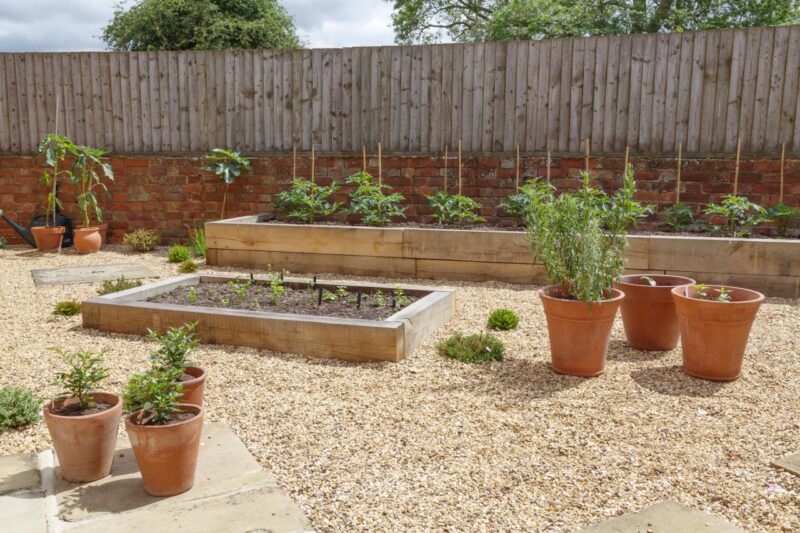
Timber sleepers are ideal for making raised beds. Strong and sturdy, there is not much installation involved beyond fixing your sleepers together and placing them in your outdoor space. You can then use your raised bed to grow flowers or fruits and veggies, for instance, or as a sensory play spot for little ones (raised bed sand pits are great!).
Use your sleeper raised beds to create varying heights. By stacking multiple sleepers together, you can create new levels to your garden which encourage exploration and discovery; a must in a sensory garden.
Naturally durable species such as European Oak are the perfect solution for sleepers. If on a budget, you can also opt for treated softwoods such as Pine/Spruce or Douglas fir.
Peaceful Water Features
Water is a peaceful addition to sensory gardens which brings gentle sound and plenty of visual interest. With 65% of people reporting a boost in wellbeing from simply being around water, this is also a brilliant way to create an outdoor space which makes guests feel happy and calm.
Blend your water features with your timber to create a clear flow throughout your space. Use sleepers to form the edge of your pond, for instance, or add decking around a water fountain to create a focal point in your garden. Water also naturally encourages more insects and wildlife, so make sure you are prepped with timber insect houses, bird boxes and bee homes.
Using naturally durable species such as Yellow Balau or Jatoba for your decking will take away the need to worry about maintenance or treatments.
Add a Variety of Floor Textures
Ideally, a sensory outdoor space is designed to be touched (as long as it is hygienic, of course). Encourage guests to take off their shoes if they feel comfortable doing so and feel the different textures of the garden underfoot. You might have a grassy area with a soft woodchip path, for example, and beautiful timber decking made of Opepe or Jatoba. This mixing of different textures adds plenty of sensory interest while also creating a more functional garden with clearly defined zones.
Choosing Plants for a Sensory Garden
Your plants should amplify the experience of your outdoor space for all senses. Let’s take a look at some potential picks which could inspire your gardening:
- Sight: Sensory gardens are alive with a variety of different plants, creating a colourful space which embraces different species. Bring visual interest with the soft petals of roses next to the waxy leaves of Ivy, complemented by the thorny and bright Scottish thistles.
- Smell: Choose aromatic plants to bring fragrance to your space, such as Lavender, Rosemary and Lilies.
- Taste: Add plants which are ready to be eaten, e.g. herbs (mint is an easy option to grow in a pot!) and edible berries.
- Touch: Play with different textures, such as soft moss and rough bark, to elevate your space with plenty of tactile interest.
Make sure you have created plenty of spaces for your plants to grow with timber raised beds and timber planters.
Find Sustainable Landscaping Timber
Feeling inspired? We can help bring your sensory garden to life by supplying you with sustainable timber landscaping products. All our timber is responsibly sourced from FSC and PEFC-certified forests, and our team will be happy to help you find the right species for your outdoor space.
Tags: garden design, Sensory Gardens
Categories: Insights