Published: 01/09/25 By: Mike Bekin
We talk a lot about choosing the right timber species for your timber cladding, but this is not the only important decision you need to make. The profile of your cladding – how each board is shaped and fitted together – can make just as much of a difference to both aesthetics and performance as the species you choose. With that in mind, we have put together this quick guide to help you find the right profile for your next cladding project.
What Is a Cladding Profile?
In simple terms, a cladding profile refers to the shape of your timber boards. There are several profiles available, but we will be looking at three types of cladding profiles here:
- Shiplap
- Shadow Gap
- Tongue and Groove
But why does choosing the right type matter? First up are the aesthetic reasons, with each profile giving your cladding a slightly different look once installed. From rustic to sleek contemporary designs, your profile can change the entire vibe of your exterior.
There are also practical and functional considerations. Different profiles offer varying levels of weather resistance, ventilation and ease of installation, all of which we will explore more as we start looking at your cladding profile options.
Shiplap Cladding Profile

Shiplap is one of the most well-known cladding profiles. It features a slight overlap on each board which fits into the groove of the next board, creating an interlocking structure with no gaps between. This creates a tight, weatherproof seal to keep water out of your building, while the smooth, planed surface helps aid water run-off.
In terms of design, this is a look which is timeless and sleek, with an aesthetic which veers more towards contemporary architecture because of its smooth and minimalist design. However, it is a very traditional cladding profile and with a weathered Oak, it will suit a rustic build just as well as a modern one.
It is also fairly easy to install, making it a great choice if it is your first time installing timber cladding.
Shadow Gap
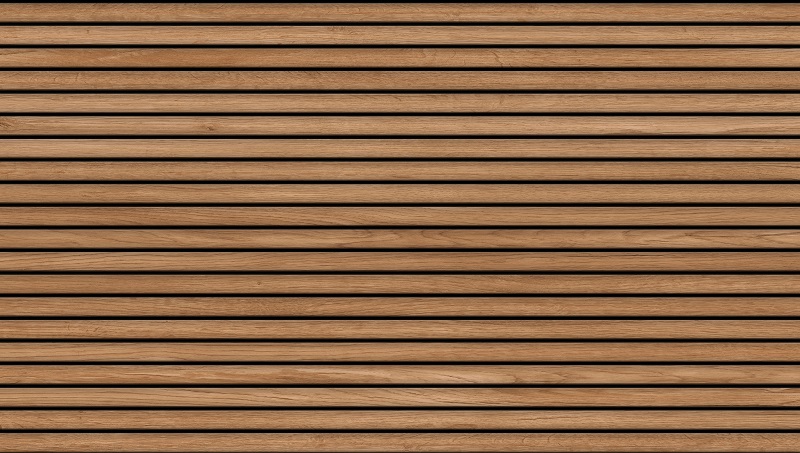
Shadow gap is the most contemporary cladding profile on this list. The boards are fitted with a deliberate ‘gap’ between them (typically around 10mm), creating a more defined cladding aesthetic which is slightly more dramatic than shiplap or tongue and groove. Of course, this is not really a gap, but an elongation of the join to create a more textured look, while still ensuring your cladding is watertight.
If you are on the hunt for a modern cladding style, this is it. Match your shadow gap profile with a contemporary timber, such as Larch, Cedar or treated Pine.
Tongue and Groove
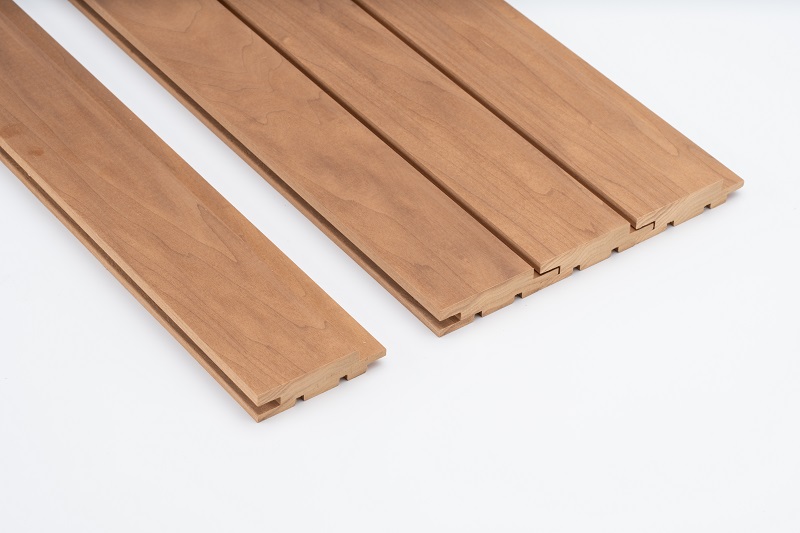
Tongue and groove profiles slot together for a seamless finish. Each board has one end with a ‘tongue’ – a protrusion – and one end with a ‘groove’ – a gap designed to fit the tongue – so that your cladding fits together almost like a puzzle. This is a super versatile profile suitable for both vertical and horizontal installation, and offers strong weather protection.
Aesthetically, it is the most traditional cladding profile, and you can make it look modern or rustic depending on your timber choice.
Order Timber Cladding at EcoChoice
Now you know your cladding profiles, it is time to get started on your project! For sustainably sourced timber cladding and reliable delivery, reach out to EcoChoice to place an order.
Tags: cladding profiles, shadow gap, shiplap, tongue and groove
Categories: Insights
